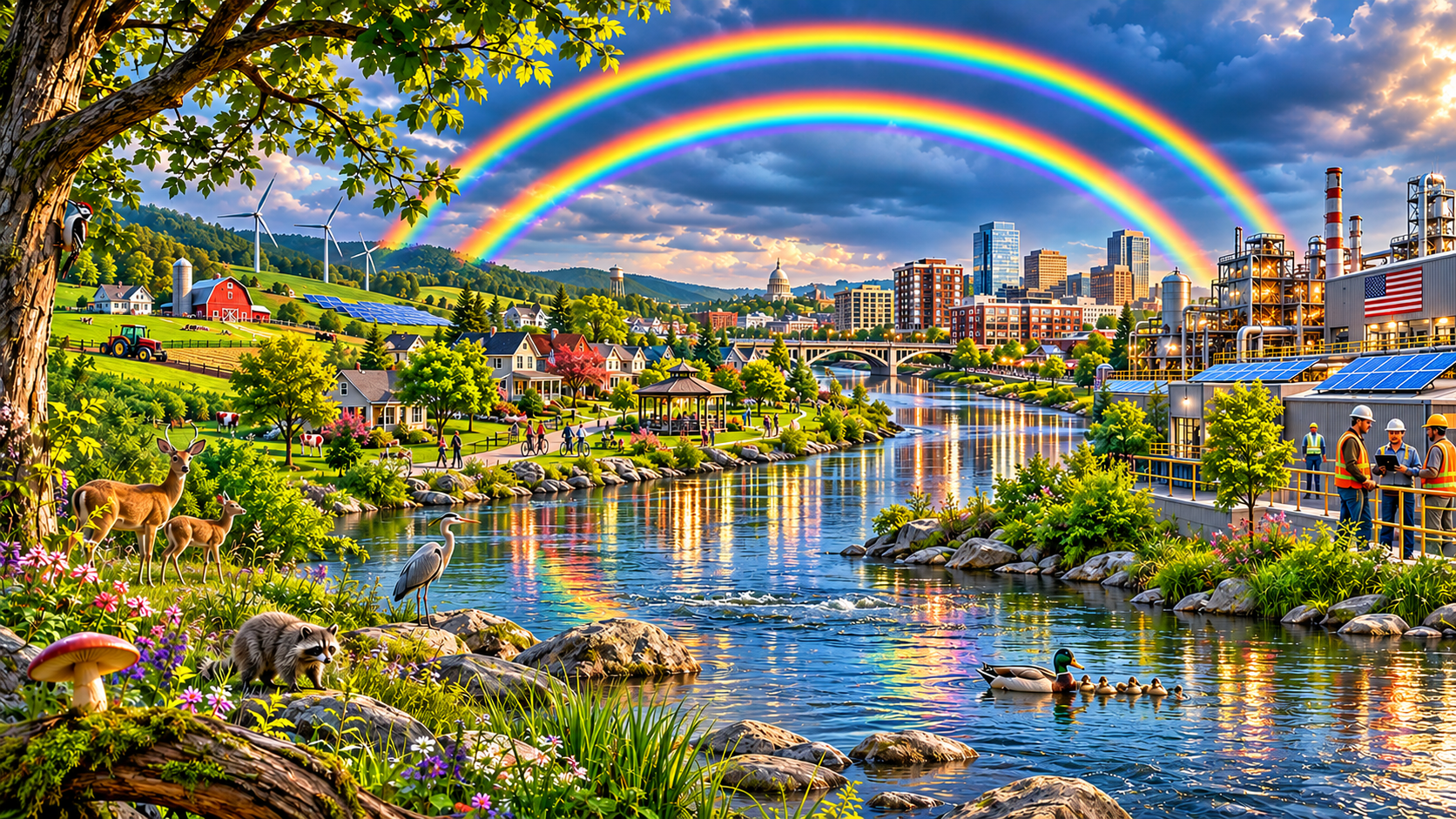
Build a Nation Like a Forest
What if America worked more like a forest? Exploring energy, industry, innovation, and a nation where every kind of fungi has room to flourish.
Category
Anything and everything technology related
What if America worked more like a forest? Exploring energy, industry, innovation, and a nation where every kind of fungi has room to flourish.

Wisconsin's cannabis future is about more than legalization. Explore a framework connecting agriculture, industry, public safety, and accountable government to create lasting opportunities for Wisconsinites.
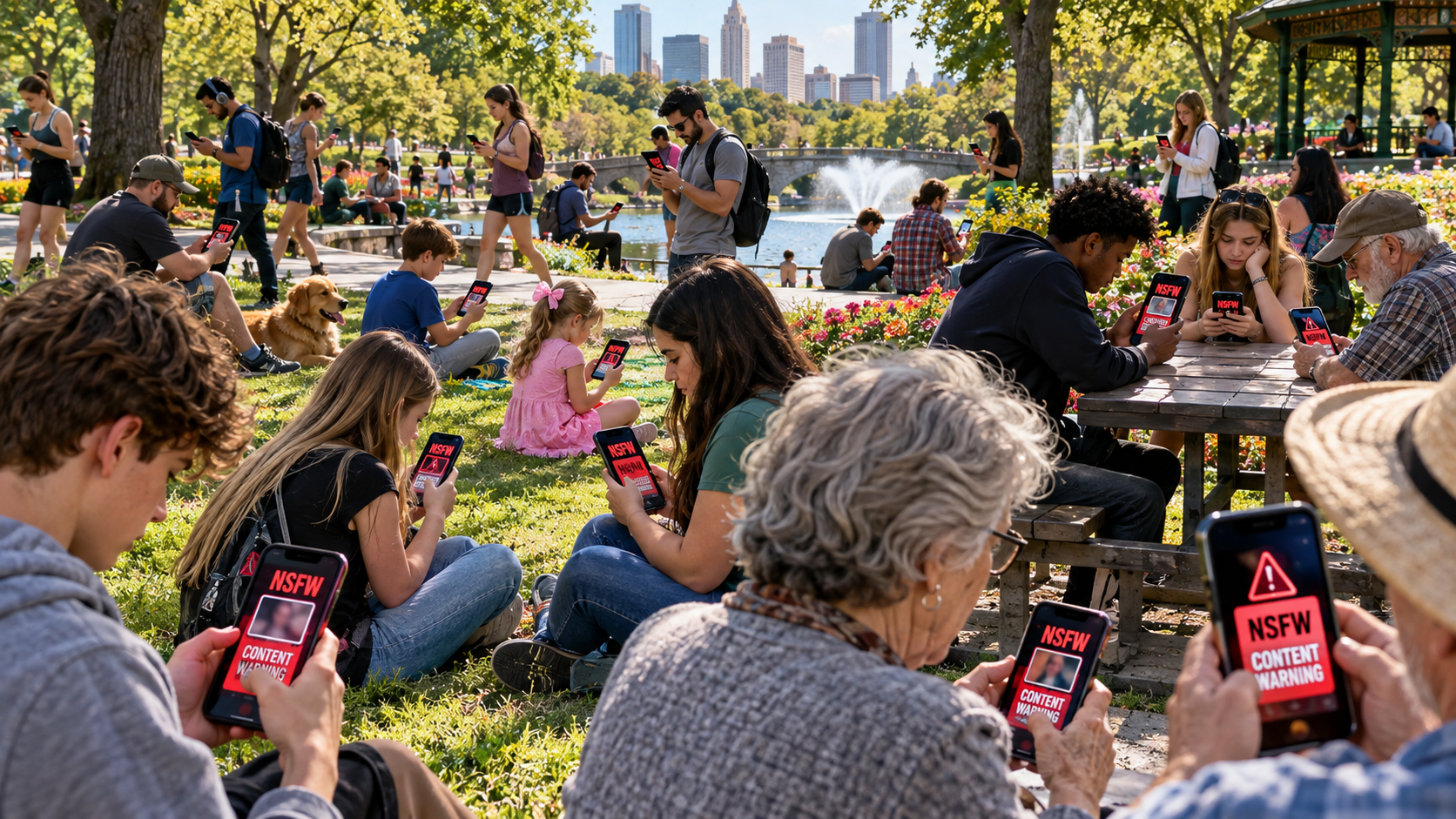
What happens when Snapchat becomes a showroom for personal porn? From unsolicited sales pitches to children's safety, I'm asking who's exploiting whom—and who's responsible for the environment.

A random thought about TTYs became a journey through telegraphs, telephones, texting, three little dots, and the signals between us. Maybe better communication isn't always about what technology can add.
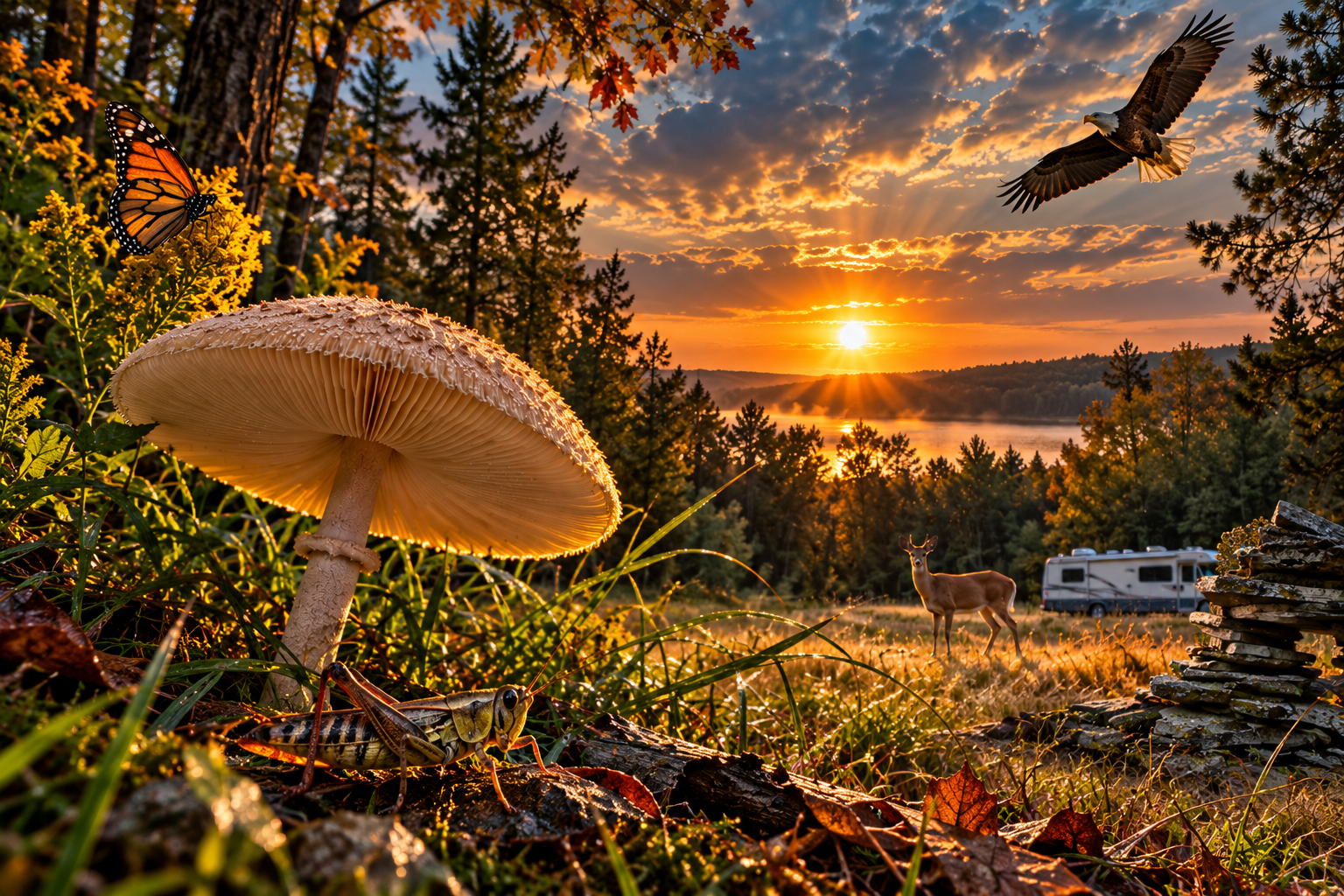
What happens when technology gets faster, but our patience gets shorter? From dial-up to digistressors, Taking 10 Seconds explores glitches, expectations, emotional dials, and what I began noticing when I spent more time in the woods.
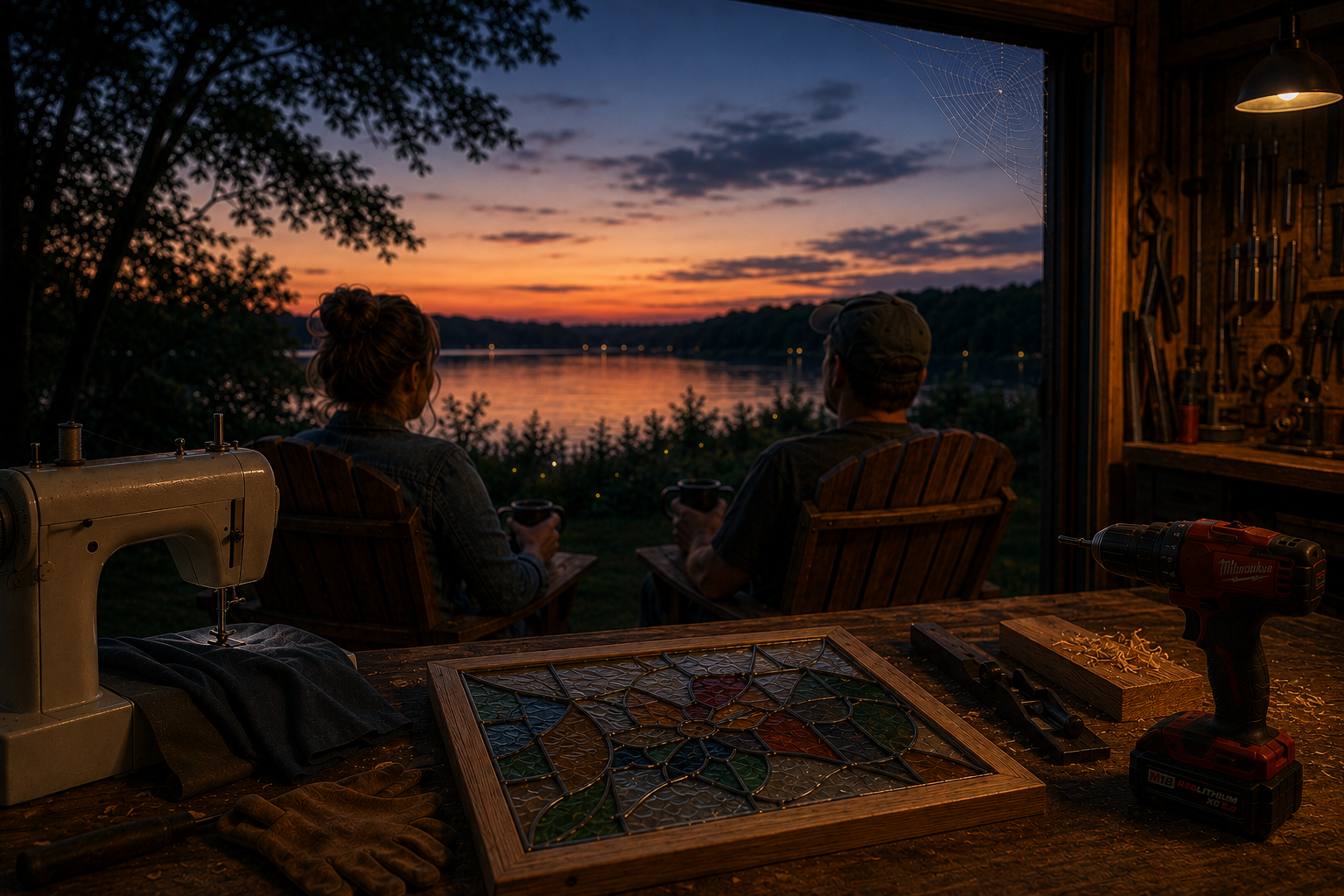
AI slop is real. But can you identify it just because AI touched the work? From sewing machines to CNCs, fireflies to 52!, the better question may be how much human thought remains behind the tool.
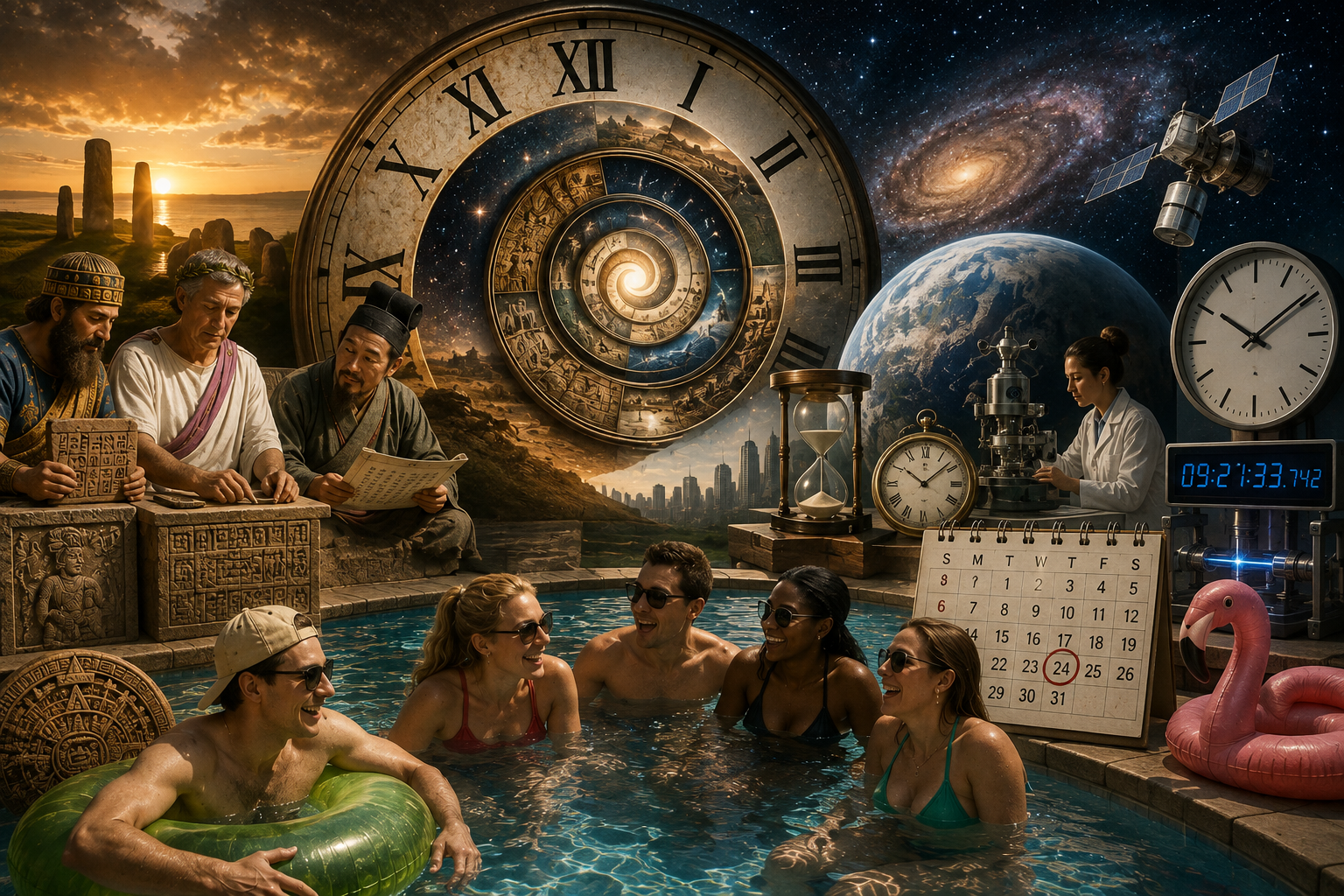
From atomic clocks and ancient calendars to Maya cycles, relativity and Mars, humans have found countless ways to measure and organize time. We know what day it is. The more interesting question may be: according to whom?
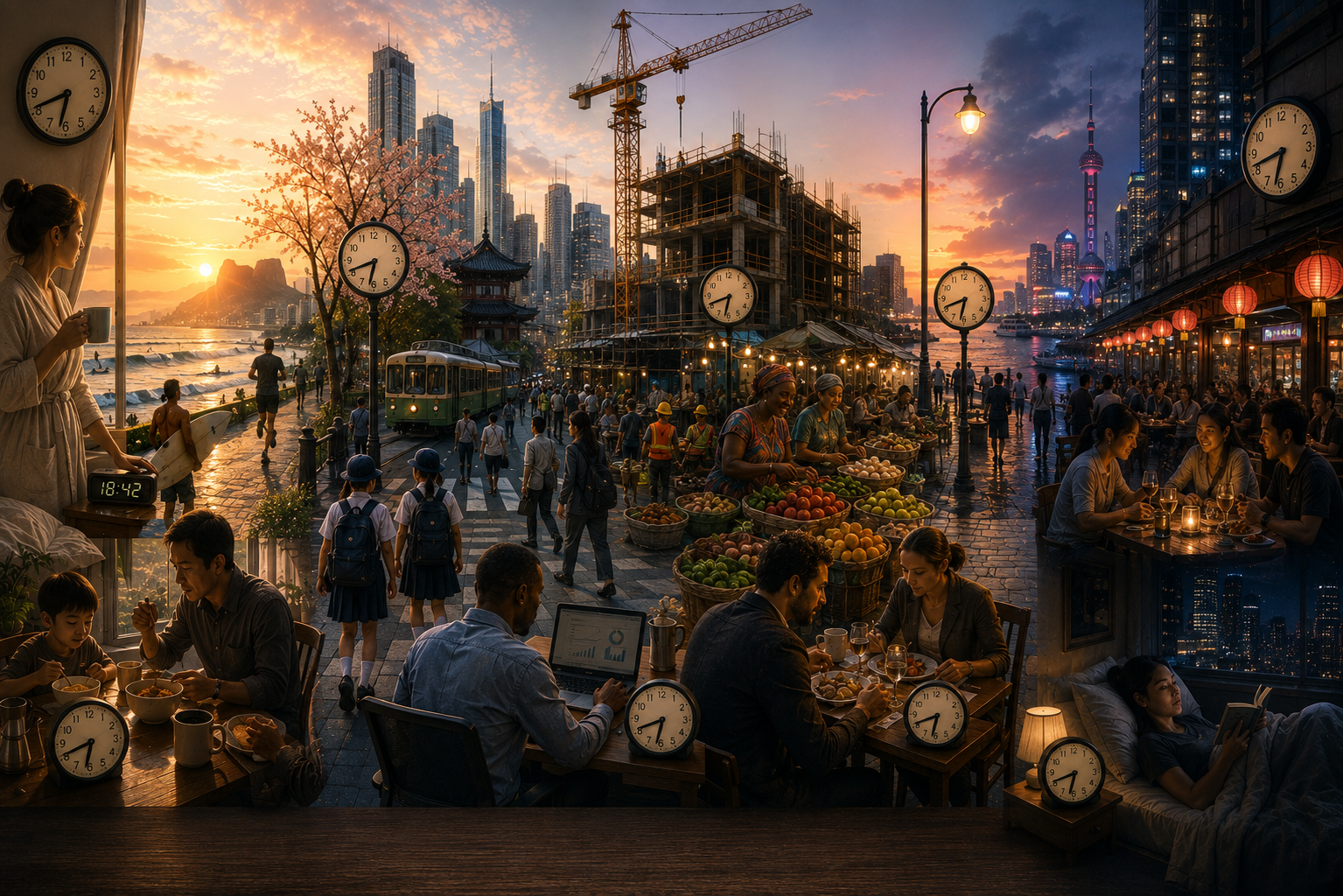
What if everyone on Earth used the same clock? Time zones solved a 19th-century problem brilliantly. But with UTC, modern technology, and a global society, it may be worth asking whether the same moment still needs different names.
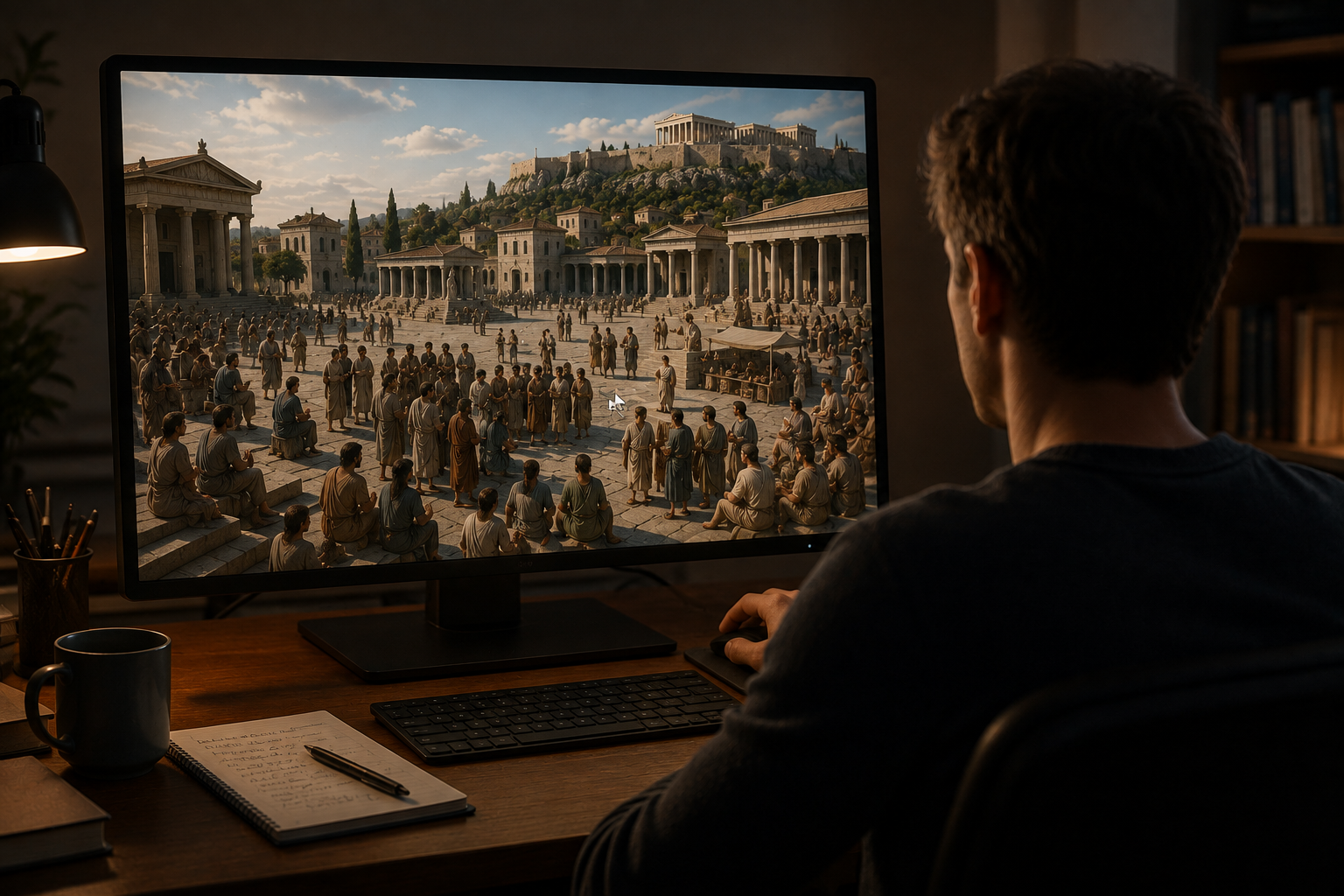
The ancient agora gave Greeks a place to gather and persuade. The digital agora added something new: the ability to measure us.
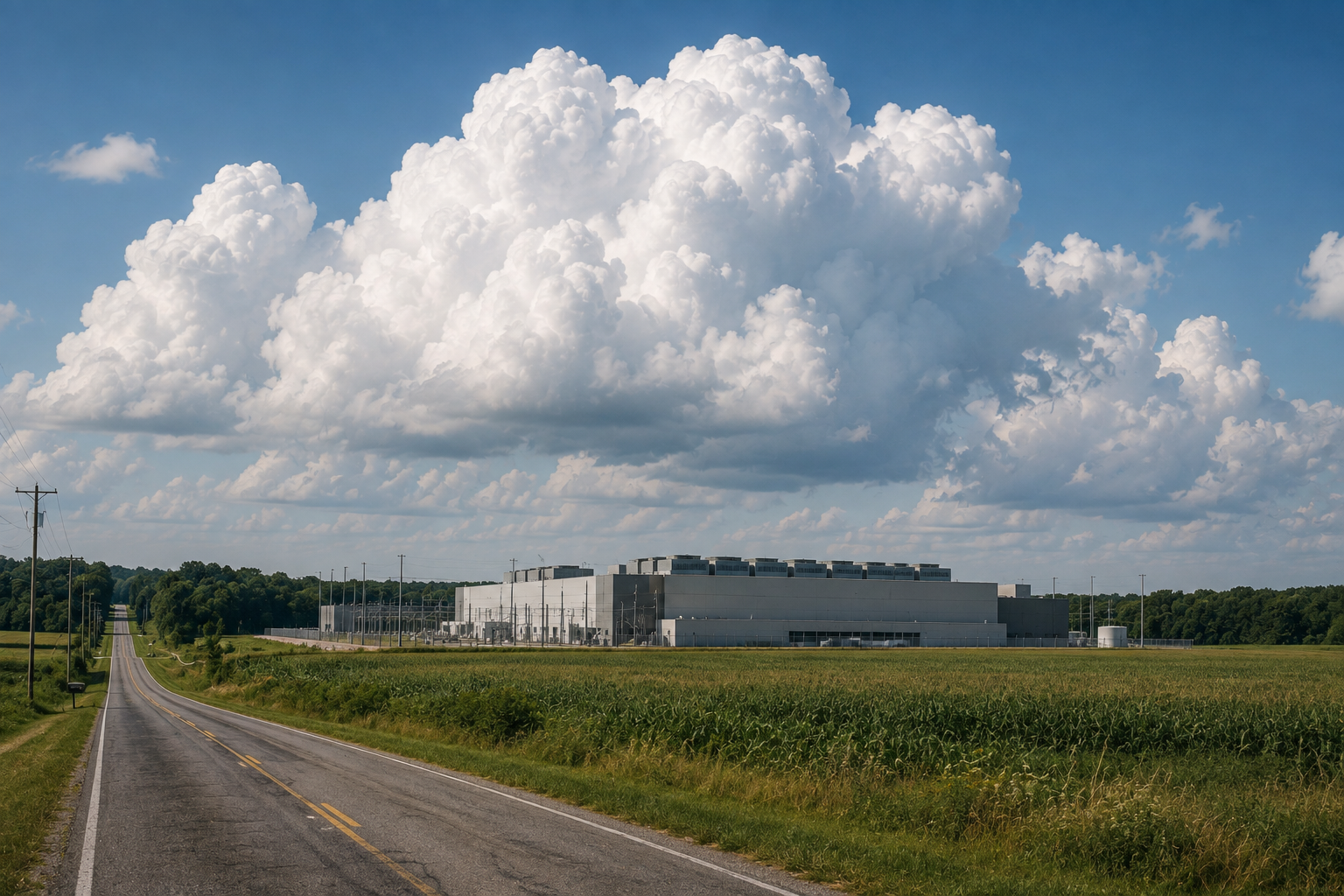

Who owns the sewer? Maybe that’s the wrong question. When infrastructure becomes essential, what should communities expect from it?
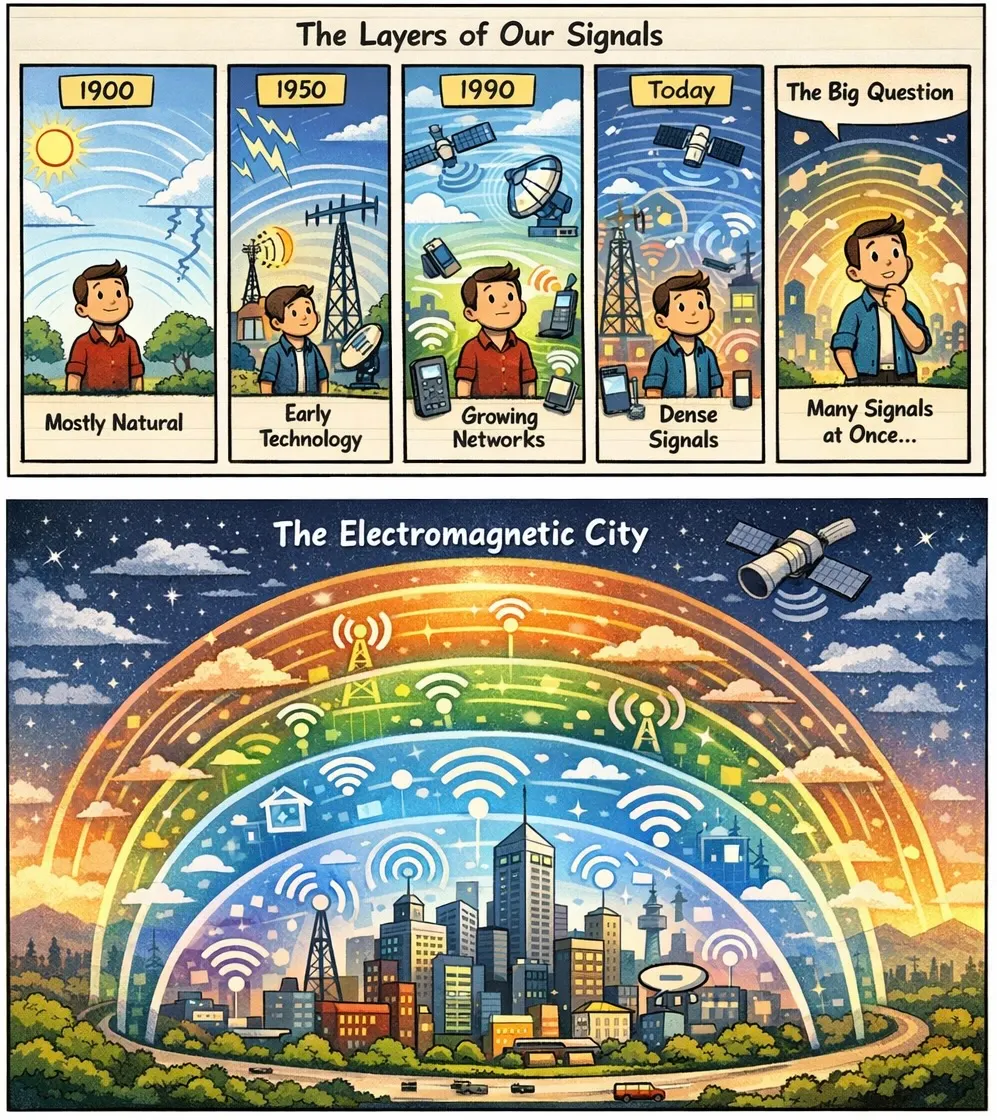
Over the past century, humanity has transformed the electromagnetic environment from a relatively simple background into a dense, overlapping web of signals.